
More is being asked of leaders.It’s time to ask more of coaching.
Coaching earns its place when something changes. That’s the only bar we hold ours to.
Strong Professional built executive coaching, partnership coaching, and team coaching for this reality: more experience in the room, more ways to engage, more visible change.
WHAT MAKES US STRONG?
More focus on what changes. visibility. Same confidentiality. experience in the room. expertise than any one coach. options. Same standard. than a good conversation.
We start with the shift, not the skills list. Every engagement names the exact From → To: the behavior that has to change.
Even though coaching is confidential, the results shouldn't be invisible. We check in with the people closest to where the shift is landing, so we can adjust mid-stream.
The best coaches have played the game. Every Strong coach pairs real coaching credentials with 20-plus years running teams and businesses. They haven't studied your problem. They've lived it.
No coach is an expert in everything. Yours is backed by the Strong Bench, vetted coaches with deep expertise in specific domains, industries, and skills. Coaching is a team sport.
Leadership challenges aren't all the same size. Neither is our coaching. Executive, Targeted, Partnership & Team, Skill, On-Demand. Matched to the depth the moment calls for.
Plenty of coaching stops at stimulating thought. We move to solving: the decision made, the behavior changed, the problem handled. Chemistry matters, but it isn't the outcome.
LEADERSHIP COACHING
A coach in your corner, at whatever depth the moment calls for. A focused engagement is 4-12 sessions on 1-2 clear shifts. A full retainer is our deepest work: stakeholder interviews and tailored diagnostics set the baseline, a lead coach runs the plan, and Bench specialists join as needed. Either way, between sessions your coach is a text, email, or Zoom away.
Built for today's shared leadership models. More organizations are asking two or more leaders to own outcomes together. We coach co-founders, co-presidents, and leadership teams to align, build trust, and lead as one.
One coach, 1-2 clear shifts: a new role, a feedback pattern, a relationship that needs repair. Set at session one, checked at the midpoint and close, with a Bench specialist brought in if the work needs more depth.
CASE STUDIES
Marcus, President, Enterprise SaaS
Twenty years of expertise got him promoted, and made him the bottleneck his team couldn't grow past.
“I used to be first to every fire. Now I'm on the radio saying which truck to send. The harder job, and the one that scales.”
Marcus
Running to every fire himself
Sending the right person
Giving the answer
Asking the question
“Empowers the team to solve problems without him”
360 write-ins moved from “brilliant but exhausting” to “direct, I know what he wants now.”
Co-Heads, Entertainment Studio
Two co-heads sending their shared team two different messages.
“We spent a year talking past each other in front of our team. Now we're aligned.”
Co-Head, Entertainment Studio
Two messages
One voice
Avoiding disagreement
Resolving it in the open
“Handles disagreement well”
Pulse survey.
Margot, SVP, PR Agency
Promoted over her former peers, and softening every decision to stay liked.
“My coach helped me find my confidence and authority in my new role while still staying true to myself.”
Margot
Seeking agreement
Making the call and owning it
Over-explaining
Saying it once, clearly
“Makes clear, timely decisions”
Pulse survey with her direct reports.
SPECIALTY COACHING
A confidential, anonymous look at the gap between how someone leads and how their team experiences it. We gather the feedback, debrief what surfaces, and build a short coaching arc around it. Six months on, we run it again to show the shift.
For the person who knows exactly what they need: a hard conversation, a big presentation, more confidence giving feedback. We match them with the Bench coach who's an expert in that skill.
For what's happening today, not next week. We match the person with a Bench coach in real time. Thirty minutes, built to support teams through change or as an ongoing benefit for employees and cohorts.
OUR METHODOLOGY
The
Strong
Shift.
Named at the start. Checked along the way. Proven at the close.
Priorities
At the start, we name one to three specific behavioral shifts, the kind a manager or team can actually see.
Pulse
Along the way, we take stock of the shifts that the people closest to the coachee are experiencing.
Proof
At close, we document shifts, skills, and ways to keep them alive.
THE STRONG BENCH
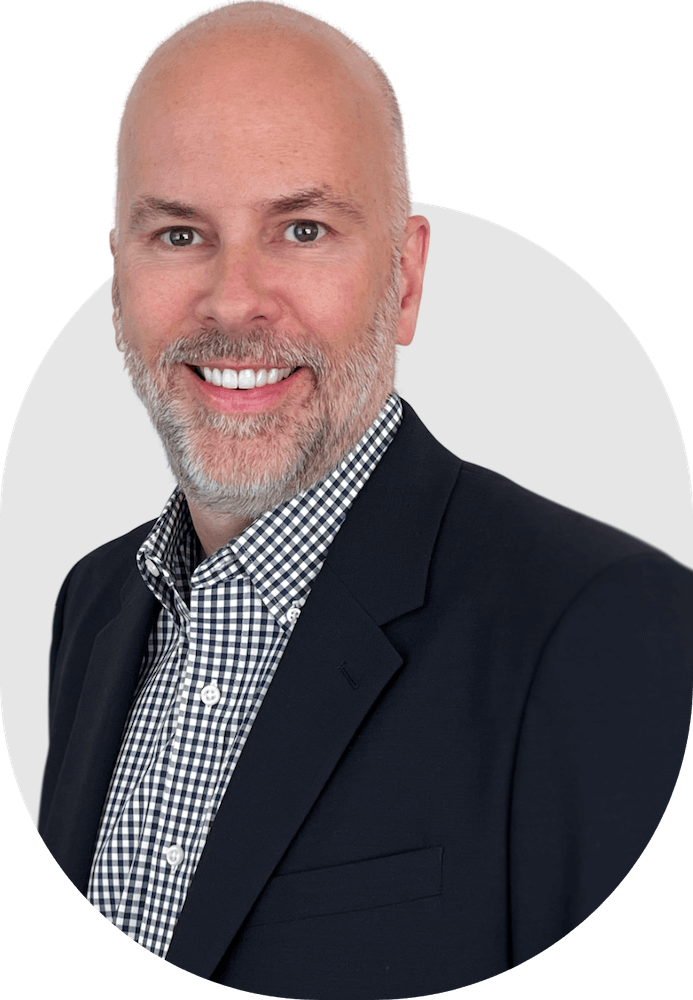
Mark Strong
CPC
CCLF
Certified DiSC
Bench specialties:
- Executive role design
- Governance dynamics
- Creative leadership
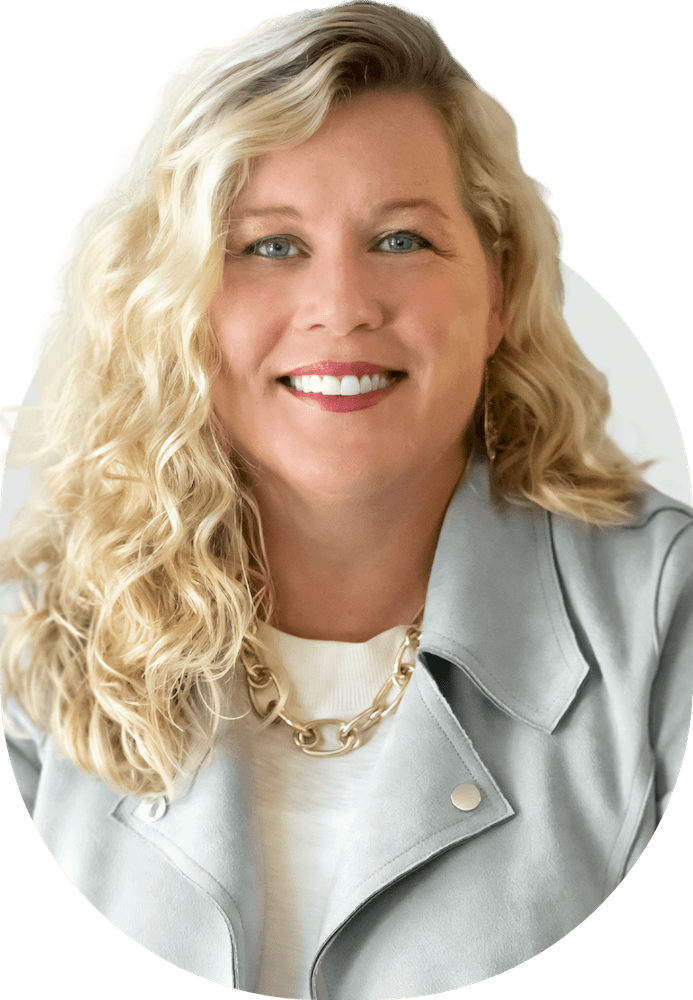
Julie Vessel
Certified Coach - Martha Beck
Licensed Gallup StrengthsFinder Coach
Certified DiSC
Bench specialties:
- Confidence & belief
- Sustainable leadership
- Managing up

Maureen Falvey
CPC
ELI-MP
Certified DiSC
Bench specialties:
- Difficult conversations
- Imposter syndrome
- Self-awareness & impact
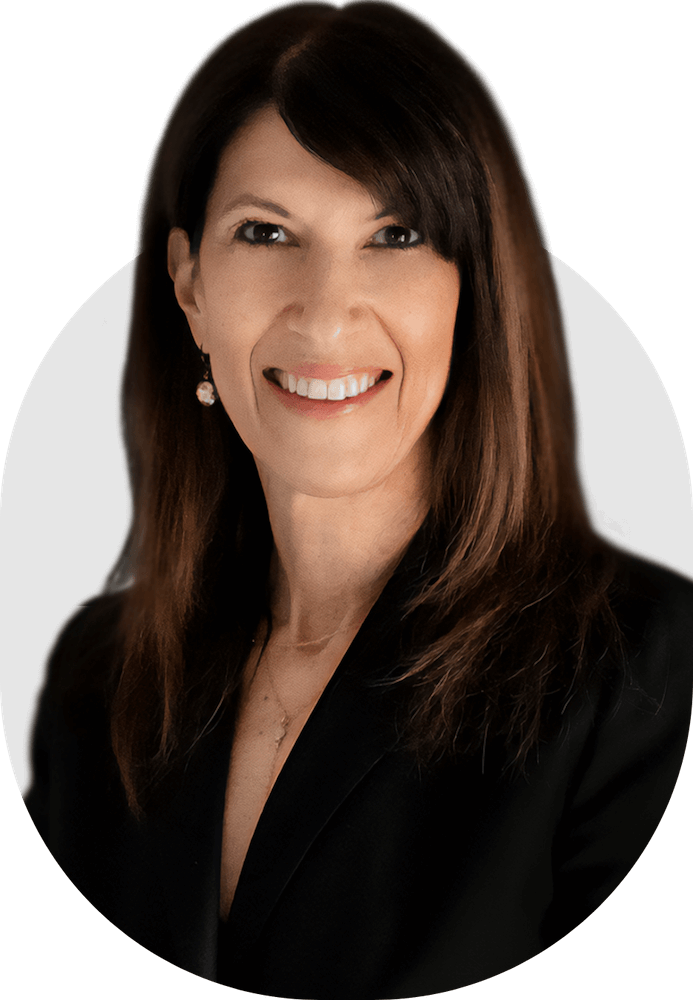
Elyssa Gray
ACC - ICF
Cert in Coaching - NYU
Certified DiSC
Bench specialties:
- Workplace conflict
- Matrixed organizations
- Emotional intelligence

Roshan Shah
CPC
PCC - ICF
Certified DiSC
Bench specialties:
- Client leadership
- Self-awareness
- Accountability

Katie DeSimone
CPCC - Co-Active Training Institute
Bench specialties:
- Leadership transitions
- Leadership identity & values
- Executive presence

Jurene Fremstad
Certified DiSC
Certified Genos
Bench specialties:
- AI fluency
- AI adoption & resistance
- Presentation structure & narrative
The best coaches have played
the game.
Every coach on the Strong Bench spent 20-plus years as an executive, founder, or operator. They're drawing on something they lived, which is why leaders trust them with the moments that actually matter.




-
20+
Years of experience for every coach as an executive, founder, or operator
-
1,000+
Coaching hours behind every coach on the bench
-
80%
Of our clients come back for a second engagement or more
-
2004
Founded and still independent
COMPARE LEADERSHIP COACHING
Executive
Partnership & Team
Targeted
Coach matched from the Bench
Dedicated lead coach
Multiple Bench specialists activated
Written synthesis after sessions
Manager involvement
CHRO / CPO visibility
Pre-engagement intelligence interviews
Diagnostics (DiSC, CliftonStrengths, 360)
Between-session coach access
FREQUENTLY ASKED QUESTIONS
How much does executive coaching cost?
Executive Coaching runs from a focused engagement (from $2,500) to a full retainer (from $15,000), as a monthly retainer or a defined engagement. Skill Coaching is a flat $650 per session. Targeted Coaching starts at $3,500 for a 4-10 session engagement. Partnership & Team, 360-Degree Feedback, and On-Demand pricing depend on scope; book a call for a number.
What's the difference between Targeted Coaching and Executive Coaching?
Targeted Coaching solves 1-2 clear shifts for a director, VP, or senior manager in 4-10 sessions. Executive Coaching is for the C-suite and their direct reports, at either level: a focused engagement on one shift, or a full retainer with stakeholder interviews, diagnostics, a lead coach, and specialists as the work moves.
How do you measure coaching results?
Every engagement runs through the Strong Shift, our methodology for making change visible (see above). Short version: we define what should change, check in on it, and document it when it does.
What is the Strong Shift?
The Strong Shift is our methodology for making behavior change visible. Every engagement runs through three steps: the Priorities, the specific shifts we're tracking; the Pulse, a check-in with the people closest to the person; and the Proof, a written account of what moved. It's how we prove coaching worked without asking anyone to just trust us.
What is 360-degree feedback coaching?
Our 360-degree feedback is a confidential, anonymous read on the gap between how someone sees their own leadership and how their team experiences it. We debrief what it surfaces and build a short coaching plan around it, then run it again six months later to measure the gap closing.
Can you coach two co-leaders or a whole team at once?
Yes. Partnership & Team Coaching is built for that: co-presidents, co-founders, or a leadership cohort that needs to work better together. Pairs typically get one coach each; larger teams get one lead coach coordinating specialists, with everyone working from a shared set of Pulse surveys.
What's the difference between coaching and mentoring?
Mentoring is one person sharing what worked for them. Coaching is structured and forward-looking: specific goals, accountability, and a process for behavior change built around the person in front of you, not a formula that worked for someone else.
How fast does coaching show results?
People notice value after the first session. Real, sustained behavior change, the kind other people notice, takes three to six months of consistent work.
How do I choose an executive coaching firm?
Look for coaches with real leadership experience, not just credentials, and a clear way of measuring what changes. The best firms can tell you exactly how they'll know the coaching is working, and what they do if it isn't.
Can executive coaching help with confidence or imposter syndrome?
Yes. It's one of the most common reasons people start Targeted or Executive Coaching. The work focuses on the specific moments where self-doubt shows up: in decisions, in the room, in how someone leads. Each one handled well becomes proof they can do it again.
Do your coaches hold real certifications?
Yes. Our coaches are certified through ICF, CCL, Co-Active, CTI, Coach U, and iPEC. Every one of them also spent 20-plus years running teams, companies, or agencies before they became a coach. Credentials get them in the room. Experience is what they bring once they're there.
What if someone needs help with something today, not next week?
That's On-Demand Coaching. Thirty minutes, no advance scheduling, matched to a Strong Bench coach suited to the situation: a hard conversation, a decision due by end of day, a moment that just happened. Built to support teams through change, or as an ongoing benefit for employees and cohorts.
Still have questions?
Let's talkTrust is hard to gain and easy to lose.
